How to Choose the Best Boat Ramp: Conditions, Amenities & Location
Not all boat ramps are created equal. Learn what separates a smooth launch from a frustrating disaster—and how to pick the best ramp for your boat and target species.


Ramp surface matters
Concrete
Best choice. Non-slip, durable, easy on trailers and boats. Concrete ramps last 20+ years with minimal maintenance.
Asphalt
Works, but deteriorates faster than concrete. Sealing is required every 3-5 years. Not ideal but acceptable.
Gravel
Terrible. Gravel compacts unevenly, creates soft spots that trap trailers, and damages boat bottoms. Avoid.
Sand/shell
Only acceptable for small johnboats and kayaks. Anything heavier than 20 lbs will get stuck. Skip these unless desperate.
Launch angle and approach
A well-designed ramp: - Slopes gradually (30-degree angle is standard) - Has clear approach (no sharp turns, good sight lines) - Features a loading pier or dock (optional but valuable) - Provides 70% water submersion without the hitch entering water
Bad ramps: - Drop sharply (steep angle causes boats to load unevenly) - Have narrow approaches (forces sharp backing angles) - Lack a staging area (boats stuck on trailer during peak hours)
Parking ratio
The most-ignored metric. A good ramp has at least 2 parking spaces per launch lane.
- 1 lane + 20 parking spaces: Acceptable
- 2 lanes + 30 parking spaces: Good
- 4 lanes + 20 parking spaces: Disaster (you'll park 500 yards away)
Count parking spots before choosing a ramp. A great fishing spot is worthless if you spend 20 minutes finding parking.
Amenities
Essential: - Restrooms (portable or fixed) - Trash cans (seriously—full trash bins create hazards) - Parking (duh)
Nice to have: - Fuel dock (saves 30 minutes of drive time) - Fish cleaning station (saves the truck bed) - Tackle shop (you forgot something—guaranteed) - Covered waiting area (rain shelter while prepping)
Luxury: - Bait/live bait (one-stop shopping) - Restaurant (post-fishing meals) - Lodging (plan multi-day trips)
Condition and maintenance
Check for: - Algae/slime buildup: Slippery ramp = slow launch and retrieval - Potholes or cracks: Small damage becomes big problem when you're backing down under pressure - Barnacles/mussels: Salt water ramps should be pressure-washed regularly - Sediment/silt: Recent floods or high water can deposit mud on concrete
Call ahead before launching after heavy rain. Soft ramps become launching nightmares.
Water type and target species
Saltwater ramps: Access to redfish, snapper, grouper, tarpon. Need to flush engines after every use. Corrosion is the enemy.
Freshwater ramps: Bass, bluegill, catfish, pike. No flushing required, but freshwater clarity affects lure selection.
Brackish ramps: Mixed species. Tide governs fish behavior. Plan around tide charts.
Clear water ramps: Easier to navigate, but fish are spooky. Use lighter leader and smaller lures.
Stained/murky ramps: Fish are aggressive. Bigger lures, louder topwater, and darker colors work better.
Channel access and depth
The best ramp in the world is useless if the channel is too shallow for your boat.
- Shallow draft boats (under 2 feet): Can launch from almost any ramp
- Medium draft (2-3 feet): Need a channel that stays 3+ feet year-round
- Deep draft (over 3 feet): Require dedicated channels or risk running aground
Check Boatzia for ramp depth notes and nearby channel depths. Tide also matters—some ramps are only navigable at high tide.
Crowd management
Avoid peak hours: - Weekday mornings (dawn to 9am) = uncrowded - Saturday mornings (dawn to 11am) = crowded - Sunday afternoons = chaos - Holidays = avoid entirely
Early arrival solves 90% of ramp frustrations. Launch at 5:30am on Saturday, and you'll have the ramp to yourself.
Reading ramp condition reports
Many ramps publish daily condition reports (Boatzia is building this out):
- Ramp surface: Concrete, asphalt, other
- Launch lanes: Number of lanes available
- Parking: Estimate of available spaces
- Water conditions: Tide, clarity, temperature, recent rains
- Species reports: What's been caught recently
- Issues: Repairs in progress, debris, closures
Use this data to avoid surprises. A ramp that was great last weekend might be closed or degraded this weekend.
The perfect ramp
- Concrete surface, well-maintained
- 4 lanes minimum
- 1.5x parking ratio (6+ spots per lane)
- 24-hour access
- Fuel and tackle nearby
- Channel access suitable for your boat's draft
- Regular condition reports/maintenance logs
Florida has 1000+ ramps. You don't have to settle for mediocre. Use Boatzia to find the best ramp for your boat, target fish, and experience level.
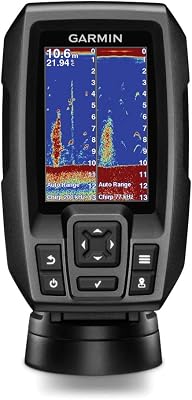
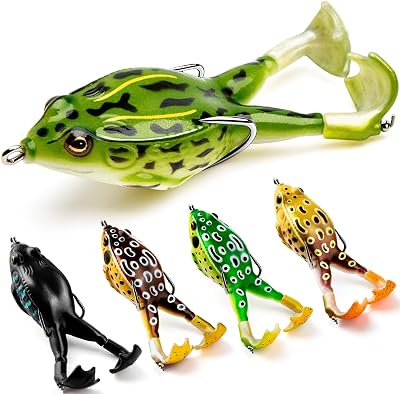
Gear our anglers reach for
As an Amazon Associate, Boatzia earns from qualifying purchases.


Frequently asked questions
What's the best boat ramp surface?
Concrete. It's non-slip, long-lasting, and forgiving on trailers. Asphalt works but deteriorates faster. Avoid gravel or sand ramps—they're hell on trailers and boats.
How do I know if a ramp is crowded before I arrive?
Many ramps have live parking counters on FWC websites. Check Boatzia for real-time ramp condition reports. Call ahead to the marina or ramp authority if you're unsure.
What amenities matter most at a boat ramp?
Fuel (saves time), trash/recycling (leave no trace), restrooms (essential for long days), parking ratio (at least 2 parking spots per launch lane), and a fish cleaning station.
Should I choose a ramp based on fish species?
Absolutely. Fish concentrate near structure, not arbitrary ramp locations. Use Boatzia to see water type, nearby shallow flats, and channel access—these determine what you'll catch.

Mike Jones is a passionate local fisherman in Central Florida with extensive knowledge of regional boat ramps, fishing conditions, and waterway access. His practical experience and insider tips help anglers and boaters make the most of their time on the water.
Related Articles

Rhode Island Boat Ramp Guide: Narragansett Bay and the Ocean State's Coast
Rhode Island earns its 'Ocean State' nickname on the water—Narragansett Bay dominates the state's boating scene, with striped bass, fluke, and scup drawing anglers to its many coves and channels.
 Mike
Mike
Connecticut Boat Ramp Guide: Long Island Sound and Inland Lakes
Connecticut's coastline along Long Island Sound offers striped bass and blackfish fishing in relatively protected water, while inland lakes and the Connecticut River add freshwater bass and shad fishing further from the coast.
Mike
Massachusetts Boat Ramp Guide: Cape Cod Bay, the Islands, and Inland Lakes
Massachusetts pairs some of the best striped bass fishing on the East Coast around Cape Cod and the Islands with quieter inland lakes further west, giving boaters a genuinely different trip depending on which direction they head.
MikeVermont Boat Ramp Guide: Lake Champlain and Quiet Inland Waters
Vermont's boating scene is dominated by Lake Champlain, a large, bass-rich lake shared with New York, with the state's smaller inland lakes offering quieter alternatives.
Mike
New Hampshire Boat Ramp Guide: Lake Winnipesaukee and the Great Bay
New Hampshire's boating scene centers on Lake Winnipesaukee, the state's largest lake, with smallmouth bass and lake trout, while the small Great Bay estuary adds a distinct tidal option near the coast.
Mike
Maine Boat Ramp Guide: Smallmouth Lakes, Lake Trout, and a Rugged Coast
Maine pairs excellent smallmouth bass and lake trout (togue) fishing across its thousands of inland lakes with a rugged, island-studded coastline that adds striped bass and groundfish to the mix.
Mike